

Israel Airstrike in Lebanon Kills Journalists Near Jezzine | Full Fact Check & Global Reaction 2026
In a tragic incident that has drawn international attention, an Israeli airstrike on March 28, 2026, struck a clearly marked press vehicle in southern Lebanon’s Jezzine area. The attack resulted in the deaths of three Lebanese journalists, raising fresh concerns about media safety amid the ongoing regional tensions.
This article provides a complete, fact-checked overview of the event, including details from both sides, victim information, and the broader implications for journalists working in war zones.
What Happened in the Jezzine Airstrike?
According to multiple reports from Reuters, the Associated Press (AP), and the Committee to Protect Journalists (CPJ), the strike targeted a vehicle clearly labeled “PRESS” on the Jezzine highway around noon local time. The car was carrying journalists who were reportedly heading to cover assignments in the area.
The three victims were:
- Ali Shoaib (also spelled Ali Shoeib or Ali Hassan Shaib), a veteran correspondent for Hezbollah-affiliated Al-Manar TV.
- Fatima Ftouni, a reporter for the pro-Hezbollah Al-Mayadeen TV channel.
- Mohamad Ftouni (or Mohammad/Mohammed Ftouni), Fatima’s brother and a freelance photojournalist/cameraman.
All four people in the vehicle were killed. Lebanese officials, including the President and Information Minister, quickly condemned the strike as a “blatant crime” and a violation of international law that protects journalists as civilians.
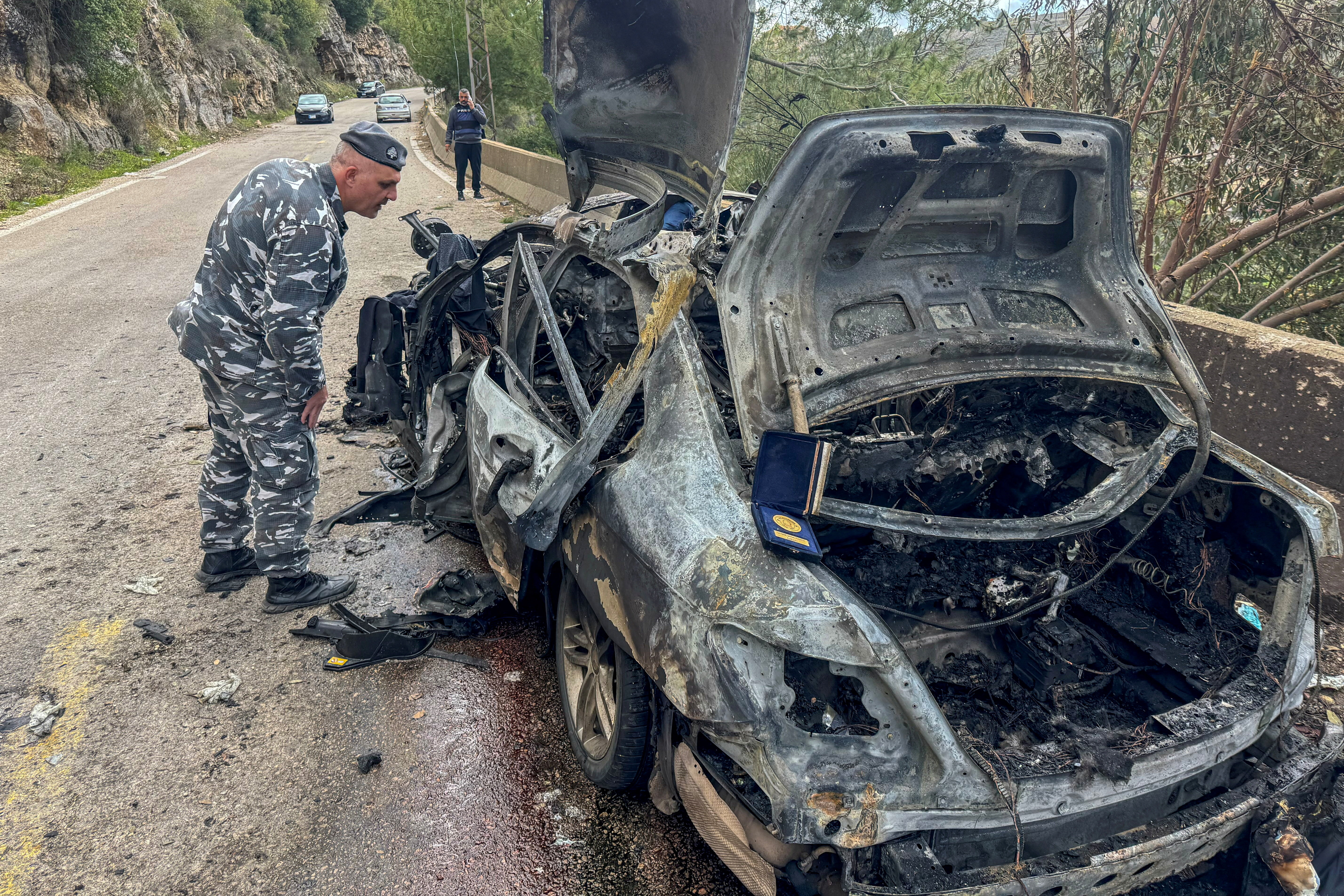

(Images: Remains of the destroyed press vehicle after the Israeli airstrike in Jezzine, southern Lebanon – March 28, 2026)
Israel’s Official Statement
The Israel Defence Forces (IDF) confirmed it carried out a targeted strike, stating that the operation focused on Ali Shoaib. According to the IDF, Shoaib was a member of Hezbollah’s elite Radwan Force intelligence unit. They alleged he used his journalist credentials as cover to monitor and expose Israeli troop movements along the border and to spread propaganda.
The Israeli military emphasized that the action was not directed at media workers in general, but at a specific individual they classified as a threat involved in militant activities. Similar claims have been made in the past regarding personnel linked to Al-Manar and Al-Mayadeen channels.
Lebanese Reaction and Calls for Investigation
Lebanese leaders strongly denounced the incident. President Joseph Aoun and other officials described it as a serious violation of international humanitarian law. Hezbollah and the affected media outlets called the strike a deliberate attack on professionals simply doing their job.
Media watchdogs, including the Committee to Protect Journalists (CPJ), have highlighted the growing risks faced by reporters in the region and called for an independent investigation. This incident adds to concerns about press freedom during the Israel-Hezbollah conflict, especially as multiple journalists have been killed in similar strikes in recent years.
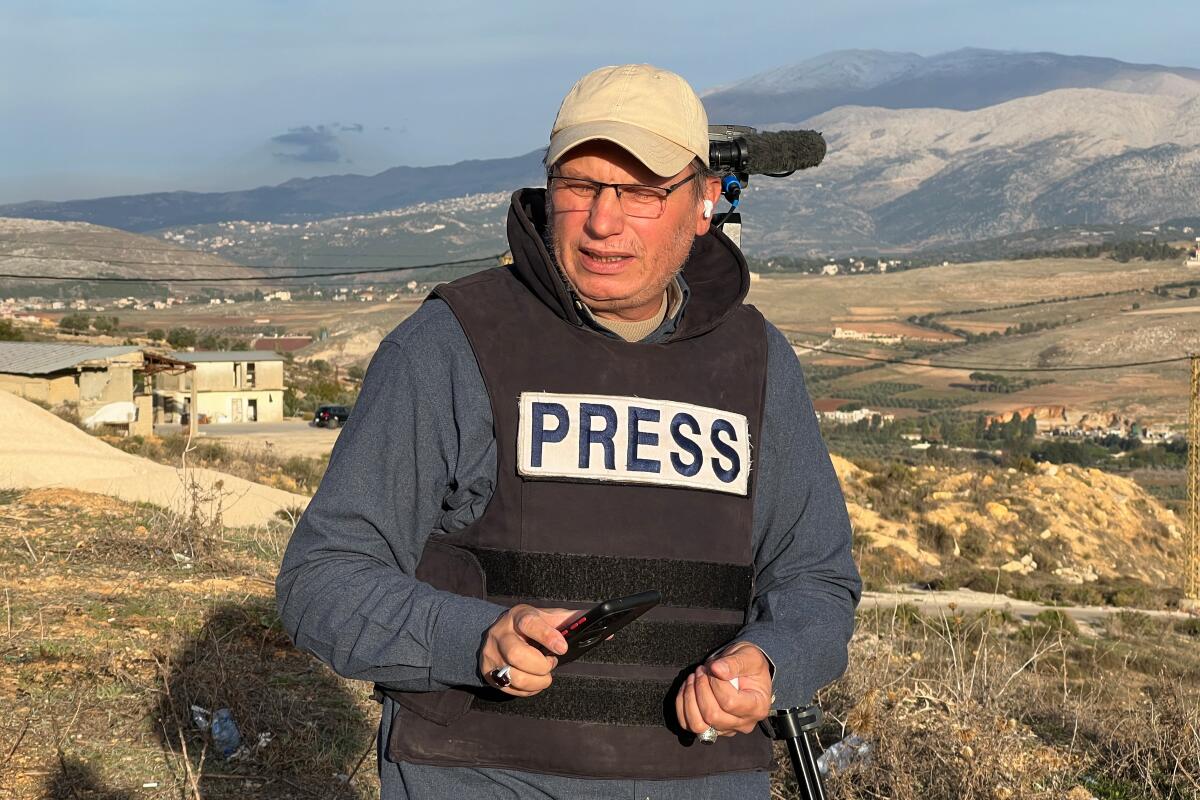
(Image: A journalist wearing a PRESS vest while reporting from a conflict area in southern Lebanon – illustrating the dangerous conditions media workers face daily.)
Broader Context of the Conflict
The March 28, 2026, airstrike in Jezzine occurs against a backdrop of heightened cross-border tensions between Israel and Hezbollah. Southern Lebanon has seen frequent military activity, with both sides accusing each other of using civilian infrastructure and media roles for operational purposes.
Journalists covering these events often travel in marked vehicles and wear protective gear, yet the risks remain extremely high. Global reports on media casualties show that dozens of journalists and media workers have lost their lives in the wider regional conflict in recent years.

(Image: Map highlighting southern Lebanon and the Israel-Lebanon border area where the incident took place.)
Why This Matters for Journalist Safety Worldwide
Under international humanitarian law, journalists are considered civilians and should not be deliberately targeted unless they are directly participating in combat. Even if one person in the vehicle had alleged militant ties, critics argue that striking a clearly marked press car raises serious questions about proportionality and warning procedures.
This event sparks important discussions:
- How to balance military security needs with the protection of media professionals.
- The challenges of verifying claims when journalists work for outlets affiliated with one side of the conflict.
- The role of international organizations in investigating such incidents transparently.
Organizations like CPJ continue to stress that stronger protections and accountability are essential to safeguard reporters who bring critical information from dangerous frontlines.
Final Thoughts
The Israeli airstrike that killed three Lebanese journalists in Jezzine on March 28, 2026, once again puts the spotlight on the extreme dangers faced by media workers in active conflict zones. While the facts of the deaths and the targeted nature of the strike are confirmed, differing accounts from Israeli and Lebanese sides continue to fuel debate.
Greater transparency, adherence to international standards, and independent probes could help prevent future tragedies. Journalists play a crucial role in keeping the world informed — their safety must remain a priority for all parties involved.
What are your thoughts on protecting journalists during wars? Feel free to share in the comments below. For more updates on the Israel-Lebanon situation and journalist safety, bookmark this page and follow credible news sources.
This post is based on verified reports from Reuters, AP, CPJ, IDF statements, and Lebanese officials as of March 29, 2026. Always cross-reference multiple reliable sources for the latest developments.