

Iran’s Strike on Amazon Facilities and Trump’s NATO Warning: Rising Tensions in the 2026 Middle East Conflict
As tensions linked to the Iran conflict continue into early April 2026, developments are expanding beyond traditional military activity. The situation is increasingly affecting global technology infrastructure, international alliances, and economic stability.
Recent reports highlight alleged drone strikes connected to Iranian forces targeting Amazon Web Services (AWS) facilities in the Gulf region, alongside strong political reactions from US President Donald Trump regarding NATO’s role in the crisis.

Attack on Amazon Data Centers
In early March, drone activity reportedly affected two AWS data centers located in the United Arab Emirates, while another facility in Bahrain experienced disruption following a nearby explosion. Amazon confirmed temporary service interruptions impacting certain cloud operations across parts of the Gulf region.
Iranian state-linked media described the incidents as retaliatory measures, claiming that foreign technology infrastructure indirectly supports military and intelligence operations. Independent verification of all claims remains limited, and analysts continue monitoring the situation.
Data centers in the Middle East have become essential digital hubs supporting businesses, financial institutions, logistics networks, and government platforms. Security experts believe that targeting commercial infrastructure signals an expansion of modern conflict into economic and technological domains.
Even short-term outages in cloud services can influence banking systems, e-commerce platforms, healthcare databases, and communication services. Amazon has not publicly disclosed detailed financial damage figures, but analysts suggest such incidents may influence future regional investment decisions.
Statements attributed to Iran’s Islamic Revolutionary Guard Corps (IRGC) also warned that other major US technology companies, including Microsoft, Google, and Apple, could face risks if tensions escalate further.

Trump’s NATO Warning and Alliance Tensions
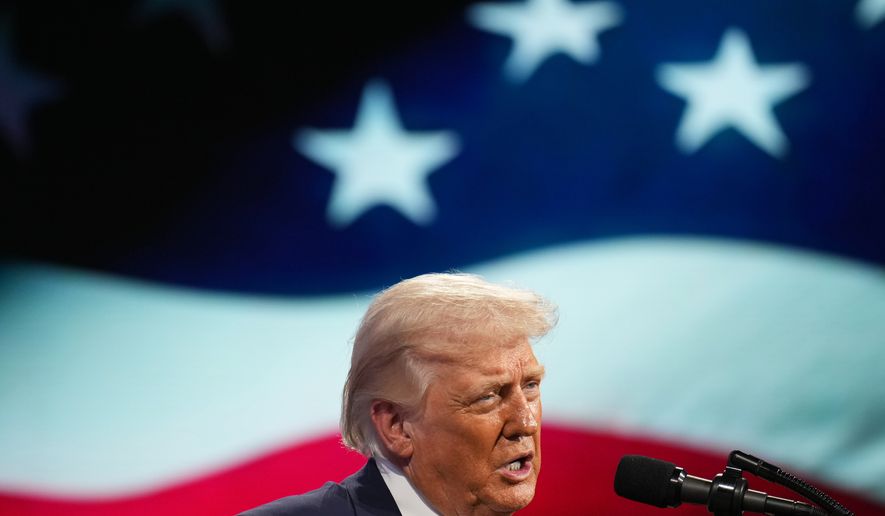
At the same time, US President Donald Trump has expressed frustration with European NATO members over their limited participation in operations connected to the Iran conflict.
During interviews and public remarks, Trump criticized allies for avoiding direct involvement and stated that the United States is reviewing its long-term commitment to NATO. The alliance, formed after World War II, has traditionally served as the foundation of Western collective defense cooperation.
Most European countries have chosen diplomatic engagement rather than military participation, declining to provide operational bases or troop deployments related to strikes targeting Iranian facilities.
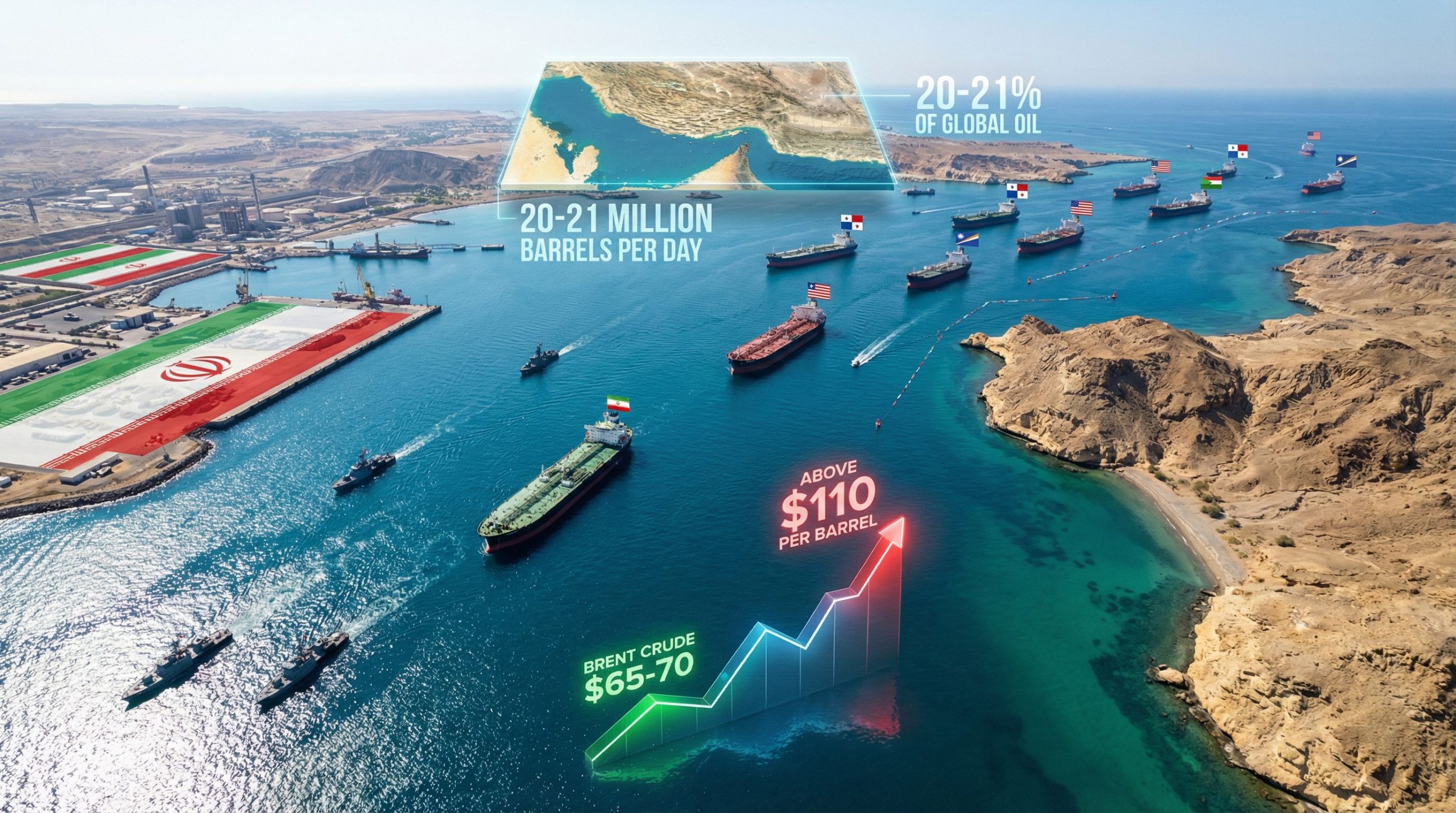
Trump argued that the United States carries a significant share of global security responsibilities and suggested Washington could independently manage strategic challenges, including maritime security near the Strait of Hormuz — a key route for global energy transportation.

US and NATO symbolism highlighting alliance tensions.
Military Outlook and Strategic Uncertainty
White House statements indicate that major US operations could potentially scale down within weeks, although no formal agreement with Tehran has been announced. Officials maintain that preventing nuclear escalation remains a primary objective.
Meanwhile, Pentagon planning reportedly continues for multiple contingency scenarios, reflecting ongoing uncertainty surrounding the conflict’s future direction.
Economic and Regional Impact
The widening scope of the conflict has contributed to volatility in oil markets and increased concern among multinational companies operating across the Gulf region. Shipping security, infrastructure protection, and investment stability remain key areas of focus.
Regional partners such as the United Arab Emirates and Saudi Arabia are navigating complex diplomatic positions, balancing security cooperation with efforts to avoid further escalation.
International organizations have also raised concerns about civilian infrastructure damage and broader humanitarian risks associated with prolonged military tensions.
What Comes Next?
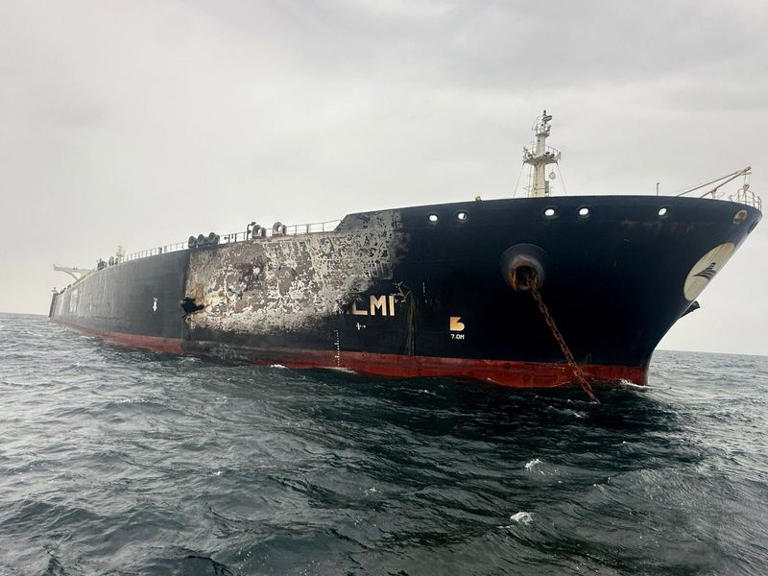
Global attention now turns toward potential diplomatic efforts and upcoming policy announcements from Washington and regional leaders. Analysts note that significant legal and political challenges would accompany any major shift in US participation within NATO.
The evolving situation demonstrates how modern conflicts increasingly involve technological systems, economic networks, and international partnerships alongside traditional military activity.
While diplomacy remains uncertain, global stakeholders continue urging restraint to prevent wider instability affecting international security and economic growth.